Leak source confirmation
We trace the entry point with roof-surface inspection plus attic checks when accessible, so the repair targets the cause instead of the symptom.
Serving Alpharetta, Georgia & surrounding areas
Mon–Fri 8am–6pm · Sat 9am–2pm
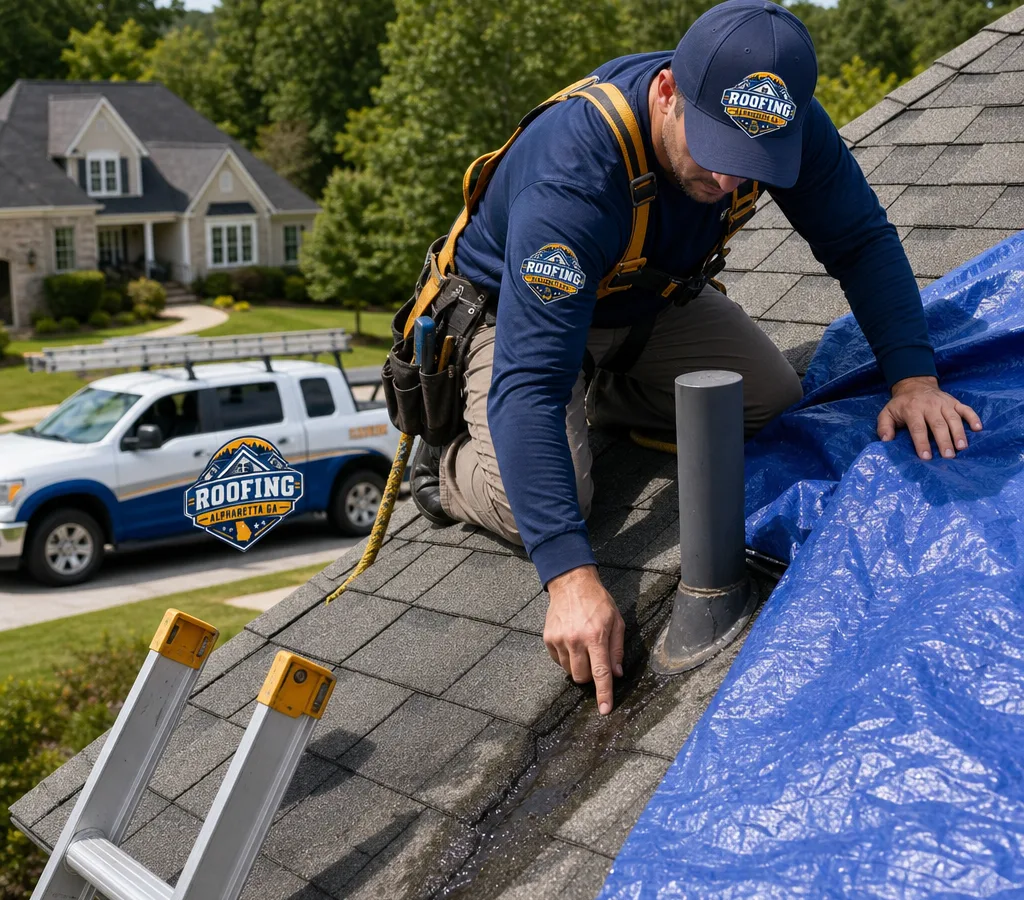
If you are seeing water spots, dripping, or wet insulation, you need a targeted repair fast. Roofing Alpharetta GA finds the true entry point, explains the fix in plain terms, and makes durable repairs that match your roof system.
Searching for roof leak repair Alpharetta GA usually means something already changed inside the house: a ceiling ring, damp drywall, a musty smell in the attic, or shingles on the ground after a storm. The hard part is that the spot where you see water is often not where it gets in. Water can travel along decking, rafters, and flashing before it shows up indoors.
Our approach is simple: confirm what roof system you have, pinpoint the entry point, and repair it with the right materials for that detail. That can mean resetting or replacing flashing, repairing a pipe boot, sealing and reworking a roof-to-wall transition, replacing damaged shingles, or addressing a problem area around valleys, vents, skylights, or chimneys. The goal is a repair that lasts through real weather, not a quick smear of sealant that fails with sun and heat.
We work throughout Alpharetta and the north Fulton area. Homes in places like Windward and the communities around GA-400 often have multiple roof planes, valleys, and penetrations that create more places for flashing to fail. In established neighborhoods such as Rivermont, mature trees can drop branches and load gutters with debris, which can drive water back under the edge if drainage is restricted. If you are unsure whether you need a repair or a bigger plan, start with an inspection and a written scope so you can make a clear decision.
For an overview of our full service area and roofing help beyond leak fixes, you can review Alpharetta Roofing Services.
A roof leak is typically a failure at a detail, not a failure of the entire roof. During inspection we look for the most common leak paths first, then confirm with attic checks and roof-surface diagnostics.
Common sources we repair:
Interior stains can keep growing even after the roof is fixed because trapped moisture may continue to wick. We explain what should dry naturally, what may need a small interior repair, and what to watch for during the next rain.
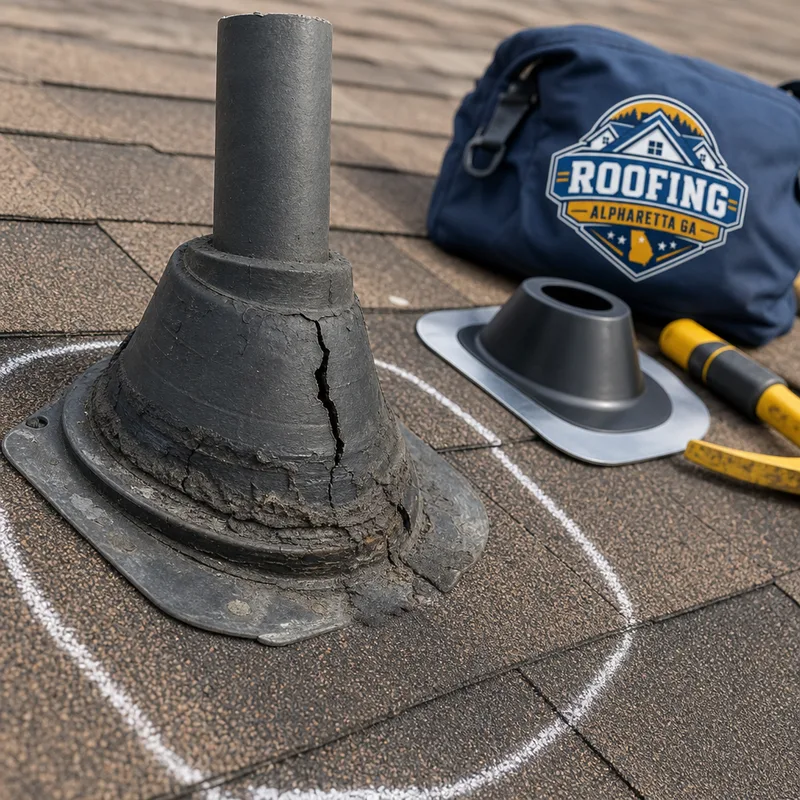
We trace the entry point with roof-surface inspection plus attic checks when accessible, so the repair targets the cause instead of the symptom.
Flashing gets repaired like flashing, shingles get replaced like shingles, and penetrations get rebuilt the way the roof system expects.
You get a straightforward explanation of what failed, what we will do, and what materials we will use.
Repairs are built to handle heavy rain and wind-driven water, with attention to overlaps, fasteners, and correct sealant use where appropriate.
We protect landscaping, use safe ladder setup, and keep debris controlled during shingle and flashing work.
If the leak suggests broader roof wear, we tell you what to monitor and when a larger repair or replacement conversation makes sense.
We start with what you are seeing inside, then look for immediate risks like active dripping, sagging drywall, or soaked insulation. If a temporary cover is needed to stop water intrusion fast, we discuss that option first.
We inspect likely entry points—valleys, penetrations, and transitions—and, when safe and accessible, confirm conditions from the attic side. This helps avoid chasing stains.
You get a clear description of the failing component and the fix, including what gets replaced versus reworked. If there are multiple issues, we separate urgent leak items from optional improvements.
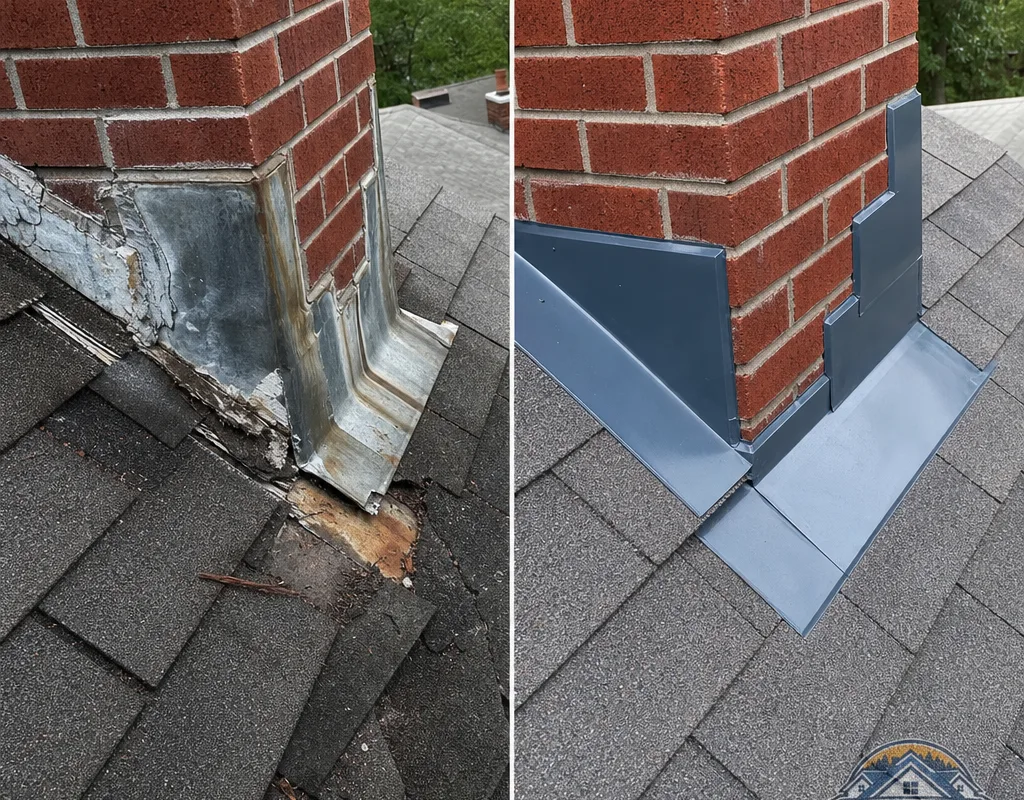
Typical work includes replacing shingles, rebuilding pipe boots, redoing flashing steps, correcting sealant and fastening, and re-establishing proper water-shedding laps.
We remove debris, check for exposed fasteners or lifted edges around the work area, and review what to watch inside after the next rain.
Roof leak repair in Alpharetta typically ranges from about $250 to $1,200, depending on the leak source and how much material must be removed and rebuilt. A small shingle or pipe boot repair is often on the lower end, while complex flashing work around chimneys, skylights, or valleys can run higher.
Price changes with roof height and pitch, how hard the leak is to trace, the type of roofing, how many areas are involved, and whether damaged decking is found once the area is opened. The exact cost is confirmed after an on-site inspection and a written scope.
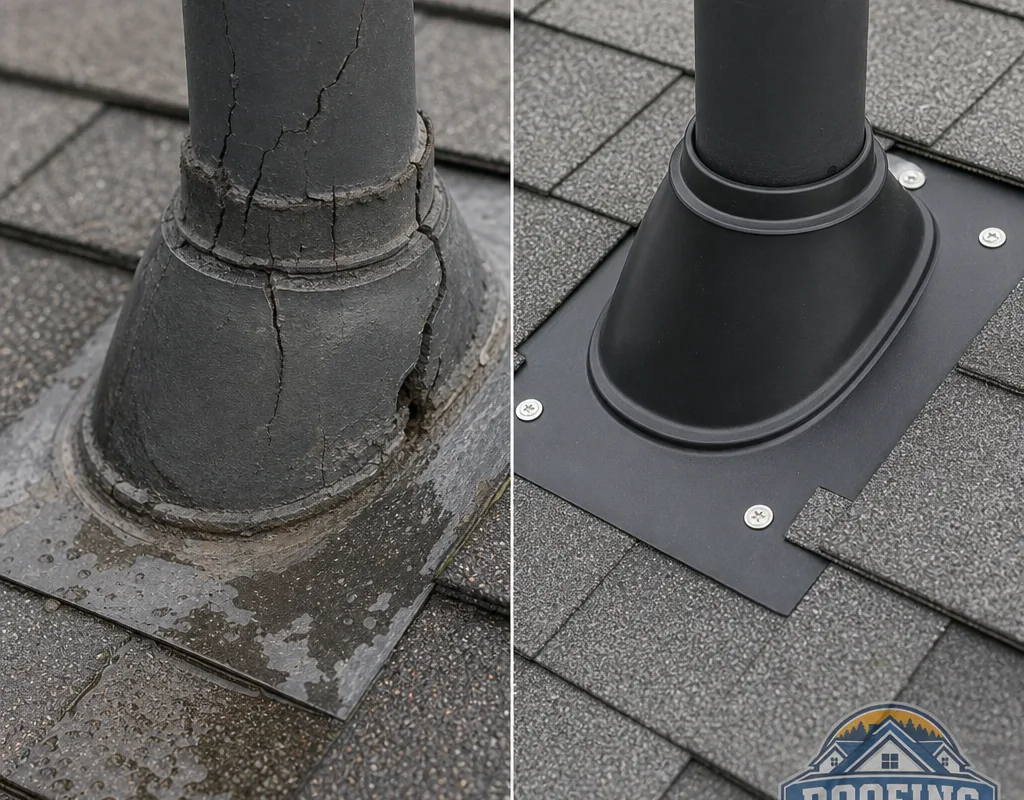
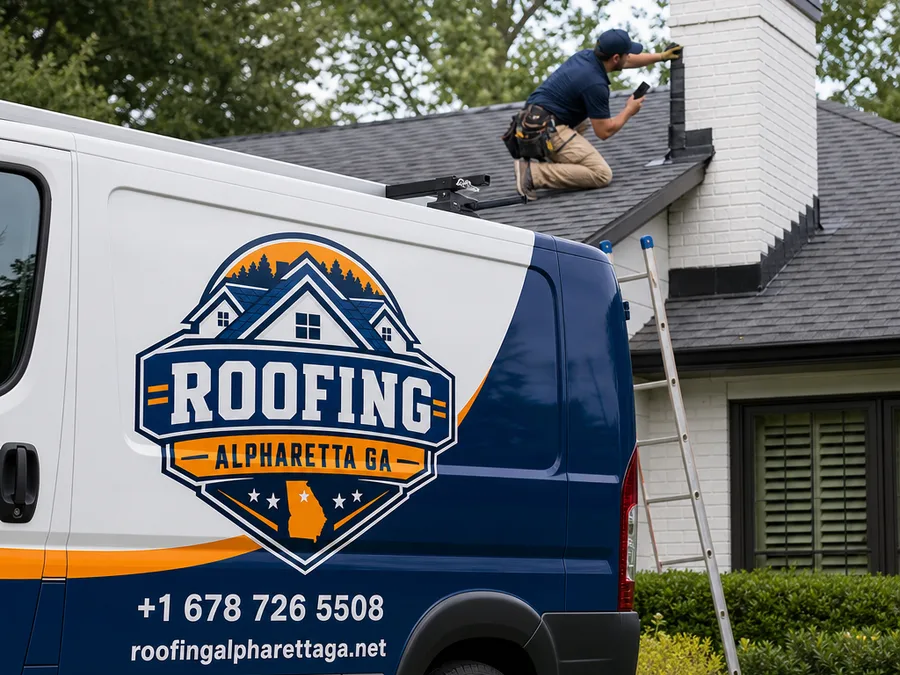
In many cases, yes, we can stop active leaking quickly if conditions are safe and materials are available, especially for common issues like a pipe boot or a small shingle blow-off. Heavy rain, lightning, or unsafe roof access can delay roof-surface work, but we can still advise on interior protection and next steps until the roof can be accessed safely.
No, the stain is often not directly under the entry point because water can travel along decking, rafters, or insulation before it drips. That is why we inspect the roof details first and, when possible, confirm from the attic side to locate the true source.
Sealants are sometimes part of a correct repair, but they are rarely the whole repair. A durable fix usually involves properly layered flashing, replacing failed components like pipe boots, and restoring water-shedding overlaps so water is directed onto the roof surface the way it was designed.
Leaks that show up only in certain storms often point to flashing transitions, roof-to-wall areas, or penetrations where wind can push water sideways and uphill. We look closely at step flashing, counterflashing, kick-out flashing, and any gaps where siding, brick, or trim meets the roofline.
Only if the decking is soft, delaminated, or structurally compromised once the leak area is opened. Many leak repairs do not require decking replacement, but if water has been entering for a long time, replacing a small section of damaged decking can restore a solid base for shingles and flashing.
Move valuables away from the wet area, place a bucket under active drips, and use plastic sheeting to protect flooring or furniture if water is spreading. If the ceiling is bulging, avoid that area and consider having it assessed promptly because trapped water can add weight and damage drywall.
If you have an active leak, water in the attic, or new stains after a storm, getting the source confirmed quickly is the best way to limit damage and avoid repeated patch attempts.
Call for a Free EstimateTell us what you are seeing and when it happens. Roofing Alpharetta GA will inspect the likely leak points, explain the repair options, and provide a written scope so you can move forward with confidence.